

Youth Employability in India
Youth employability in India: career support for 50 young people
The transition from education to employment remains challenging for many young people in India. According to the India Employment Report 2024, educated young people experience higher unemployment rates, reflecting a mismatch between their aspirations and the opportunities available to them. The report also highlights that many young people—particularly women—remain outside education, employment or training.
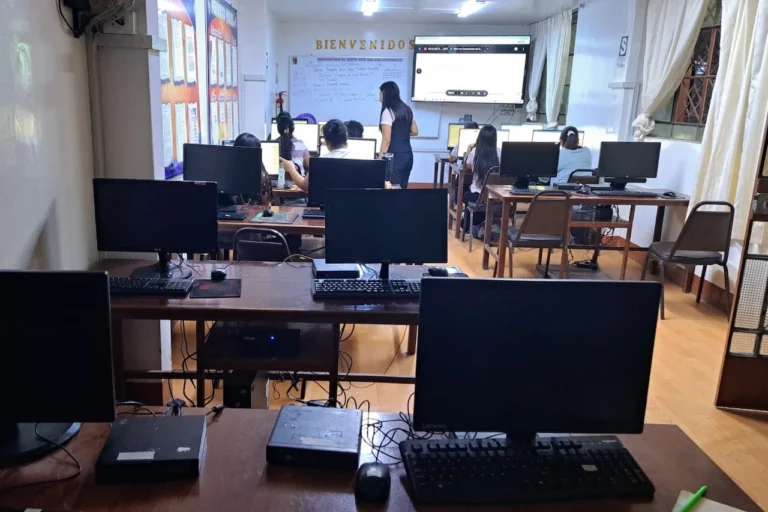
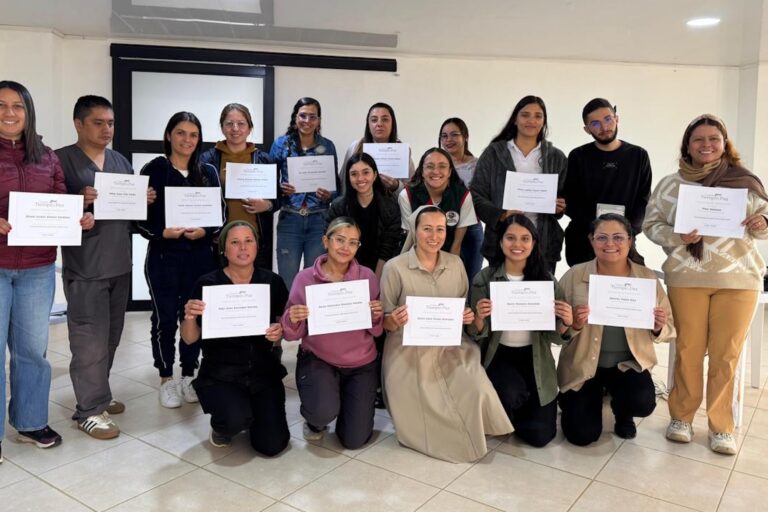
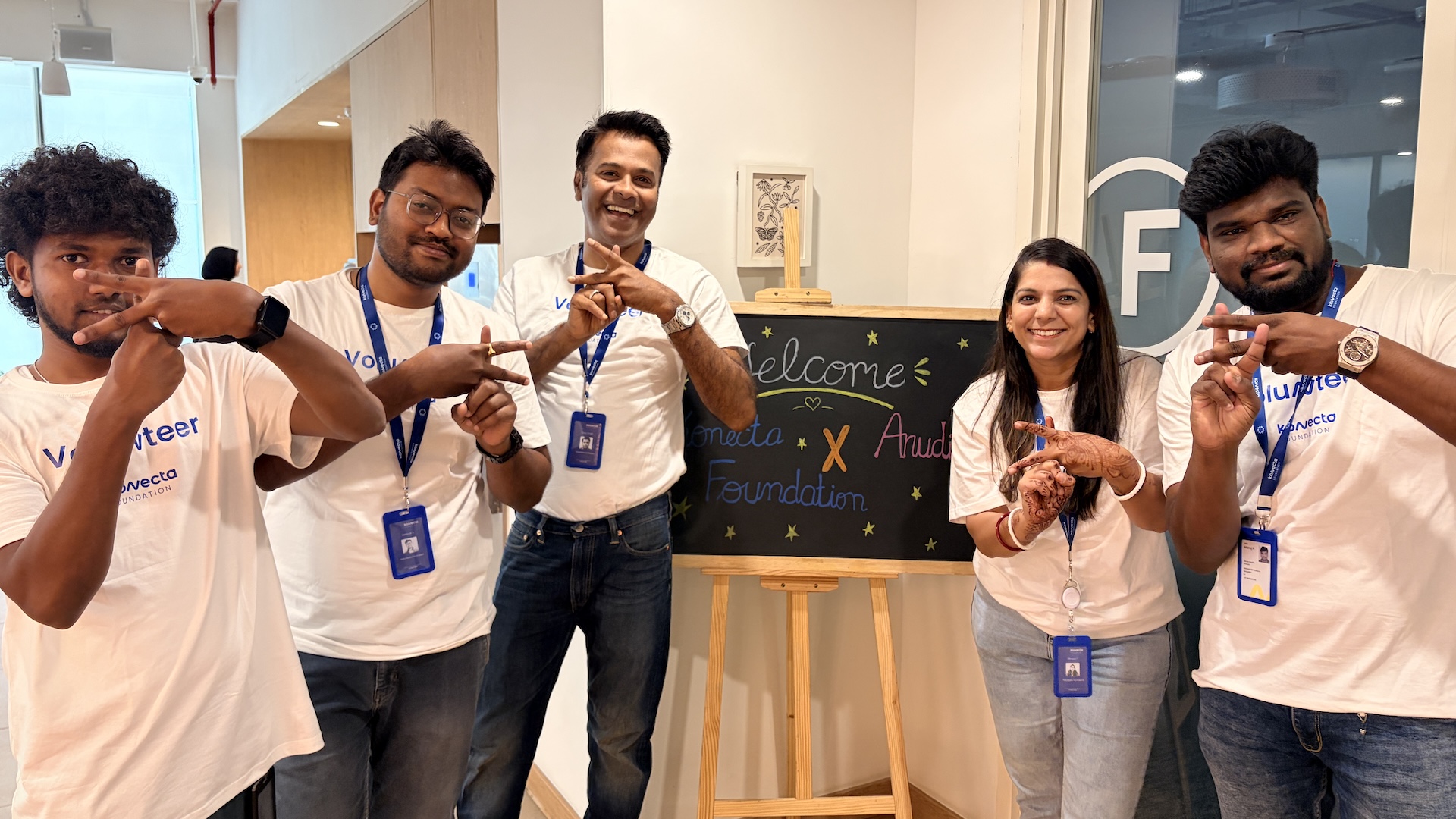
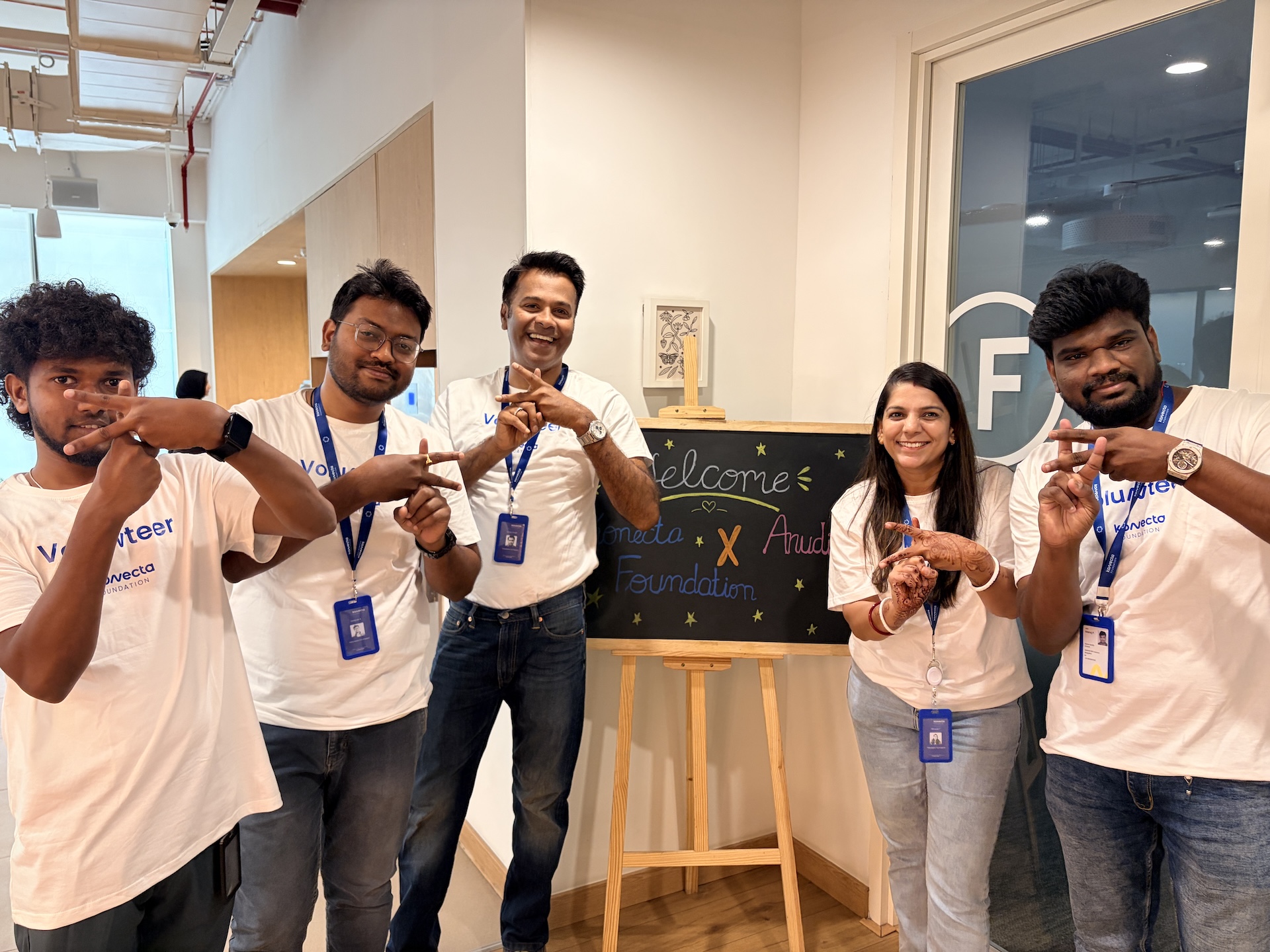
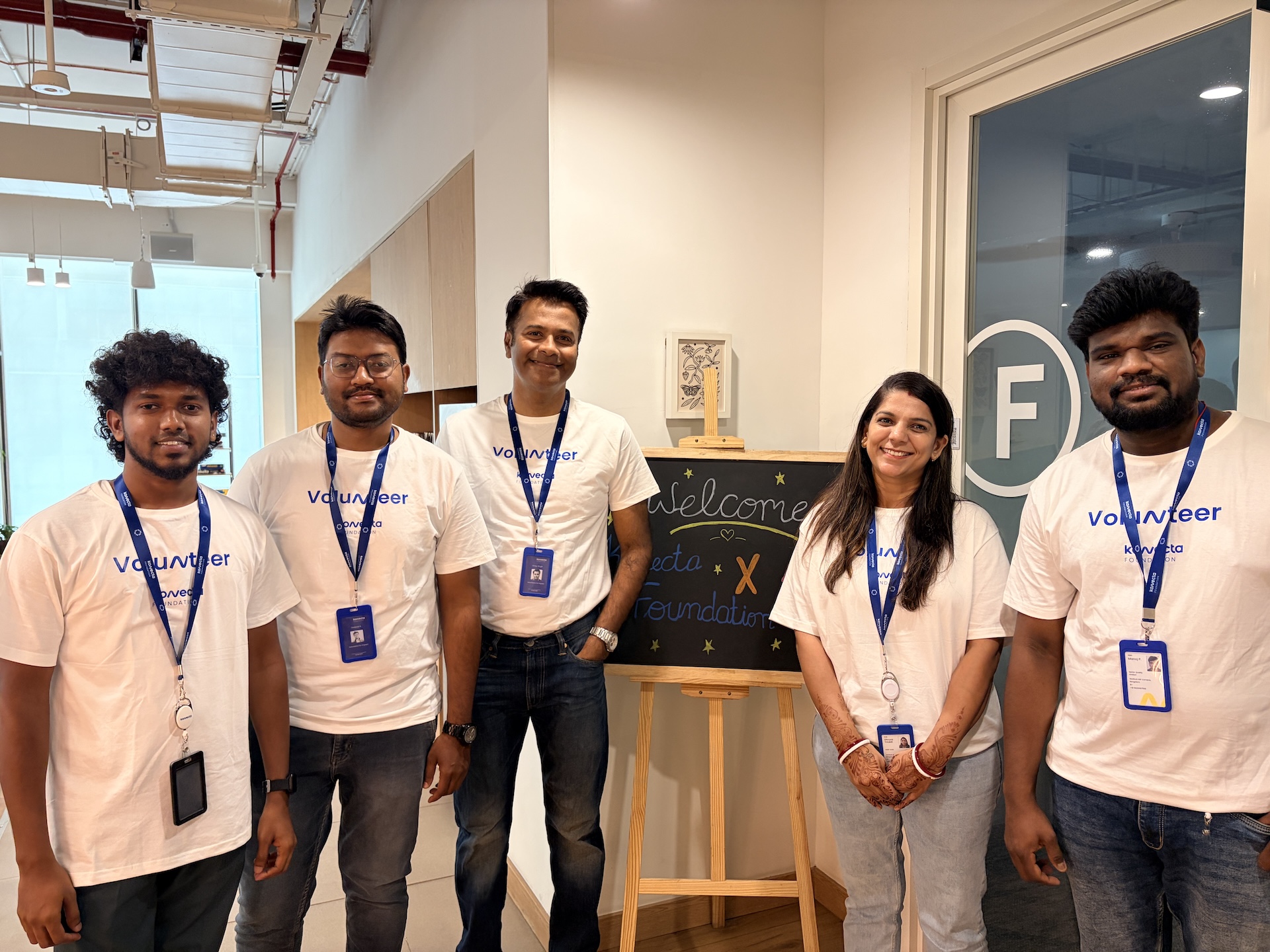
Against this backdrop, Konecta Foundation and Anudip Foundation brought together 44 Konecta volunteers and 50 young people in Bangalore for a month-long employability initiative. Through career guidance, practical workshops, mentoring and corporate exposure, participants developed skills to navigate recruitment processes and prepare for the workplace.
Practical support for youth employability in India
Qualifications are important, but entering the labor market also requires an understanding of recruitment practices, the ability to communicate professional experience and confidence when interacting with employers.
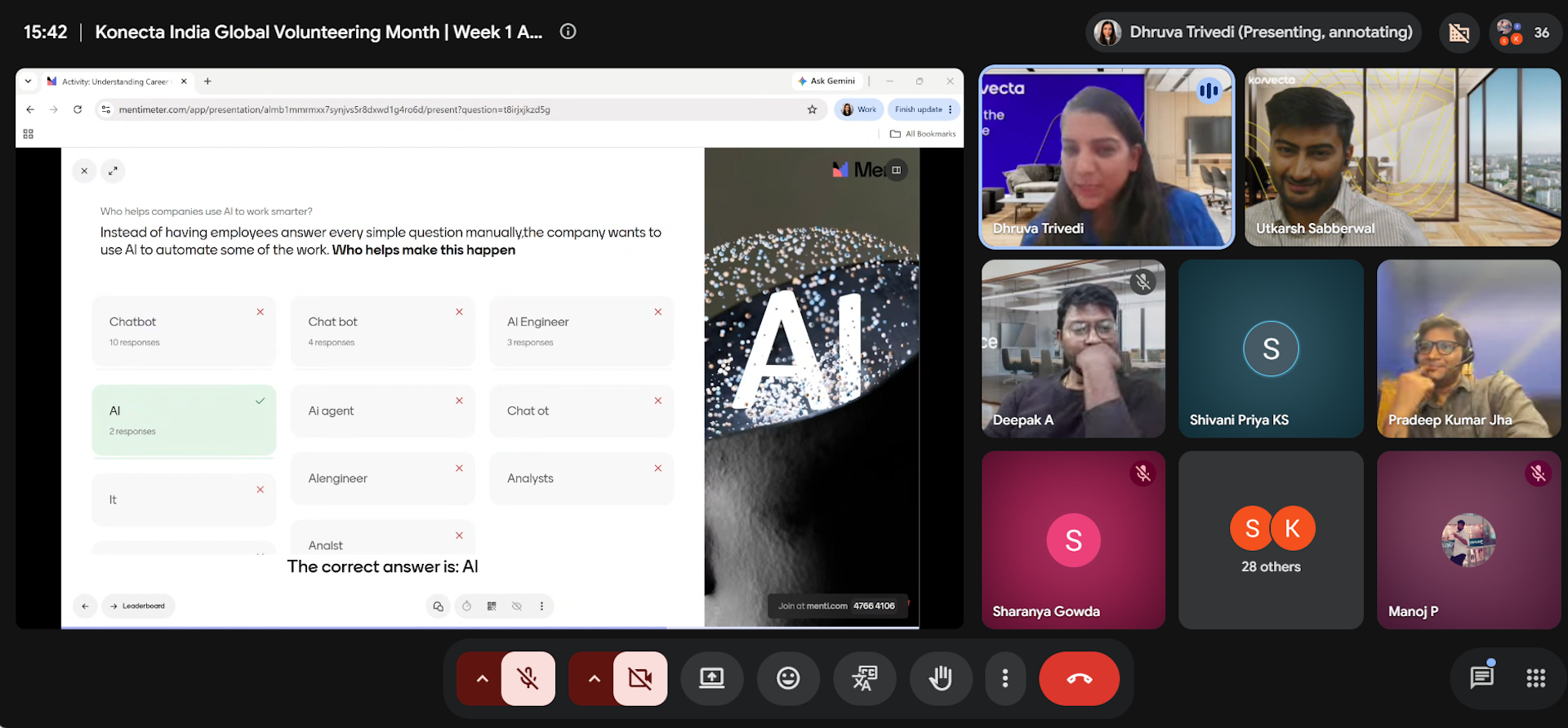
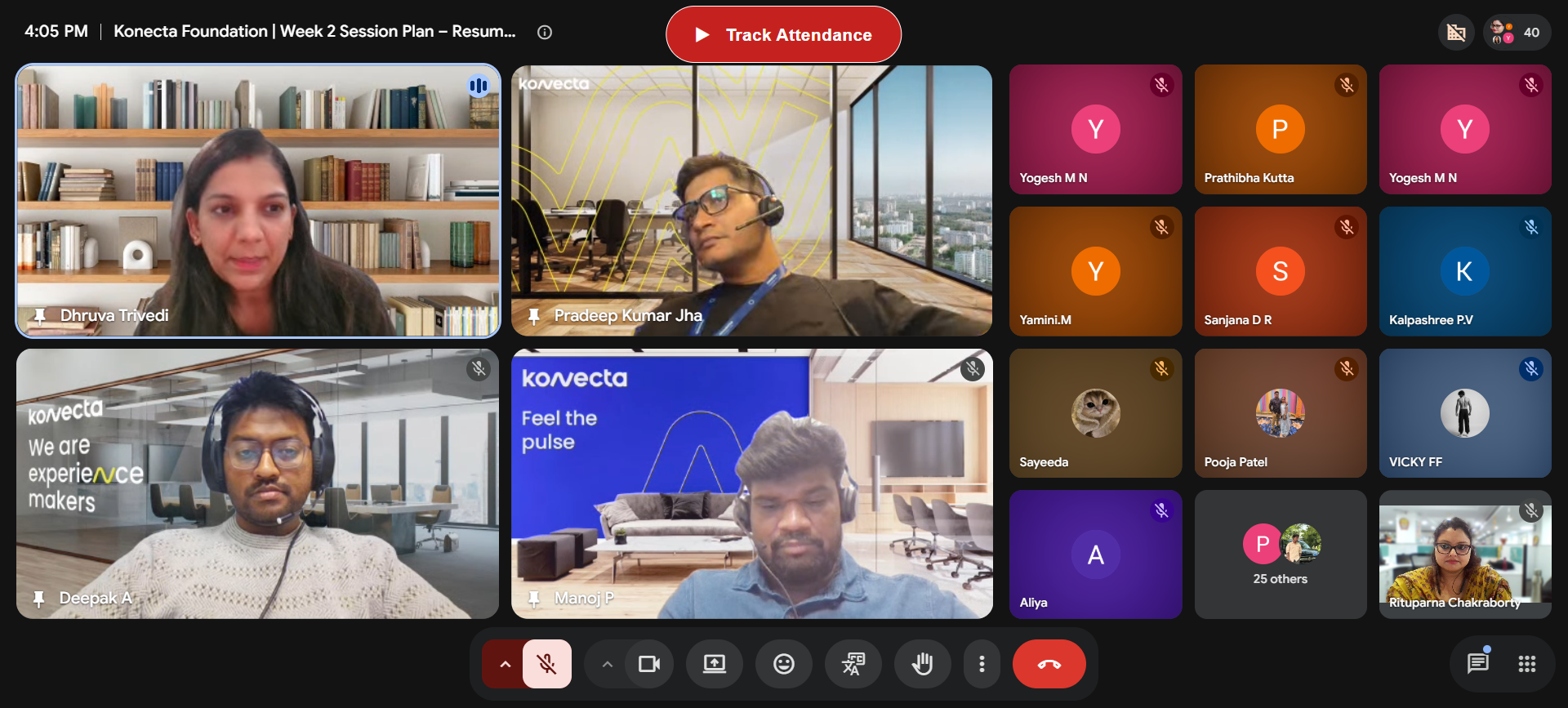
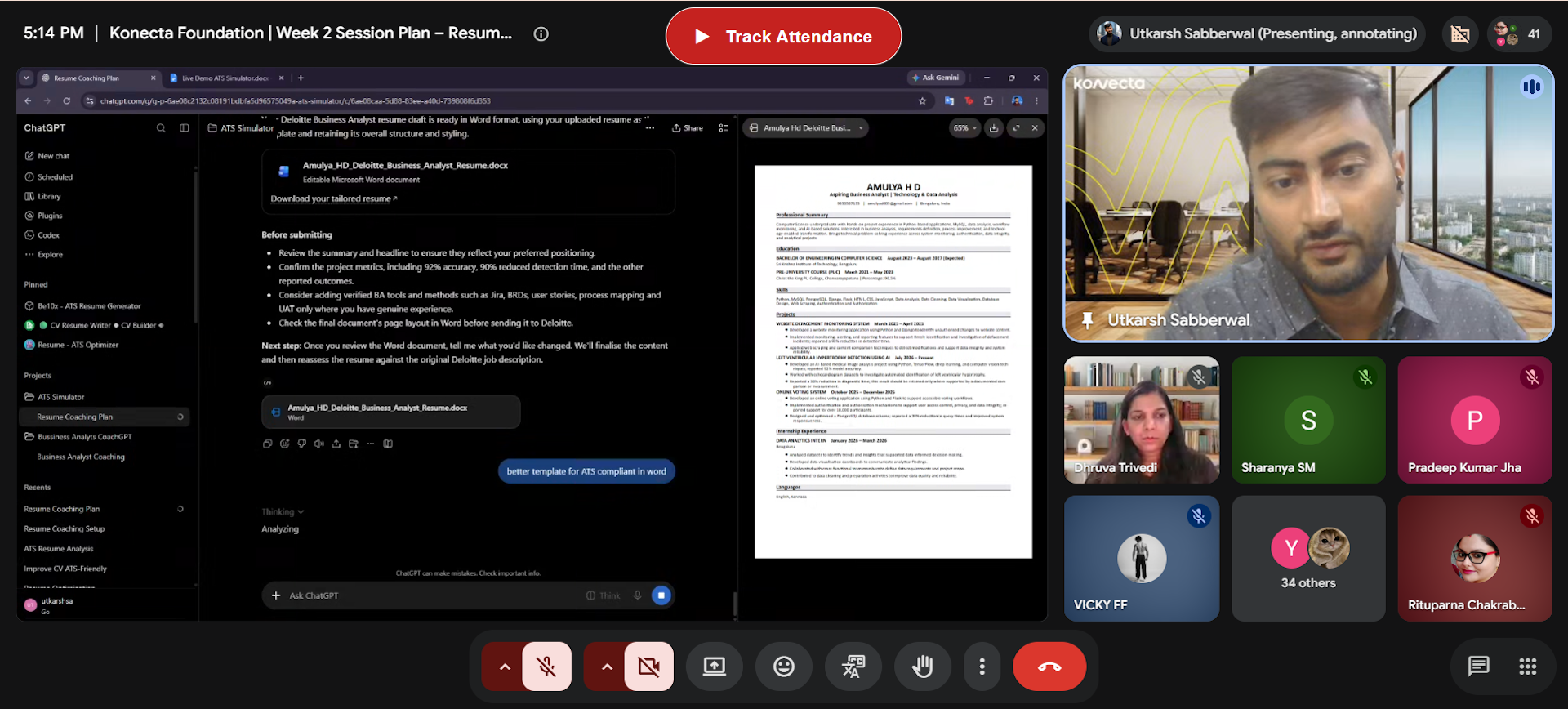
Konecta volunteers shared their professional knowledge through career awareness sessions, résumé and LinkedIn workshops, mock interviews and individual mentoring. Participants received practical feedback on how to present their skills, approach interviews and explore different professional pathways.
The sessions were designed to be interactive and connected to real workplace experience, helping participants understand what companies look for and how they can prepare for different stages of the recruitment process.
Connecting career preparation with the workplace
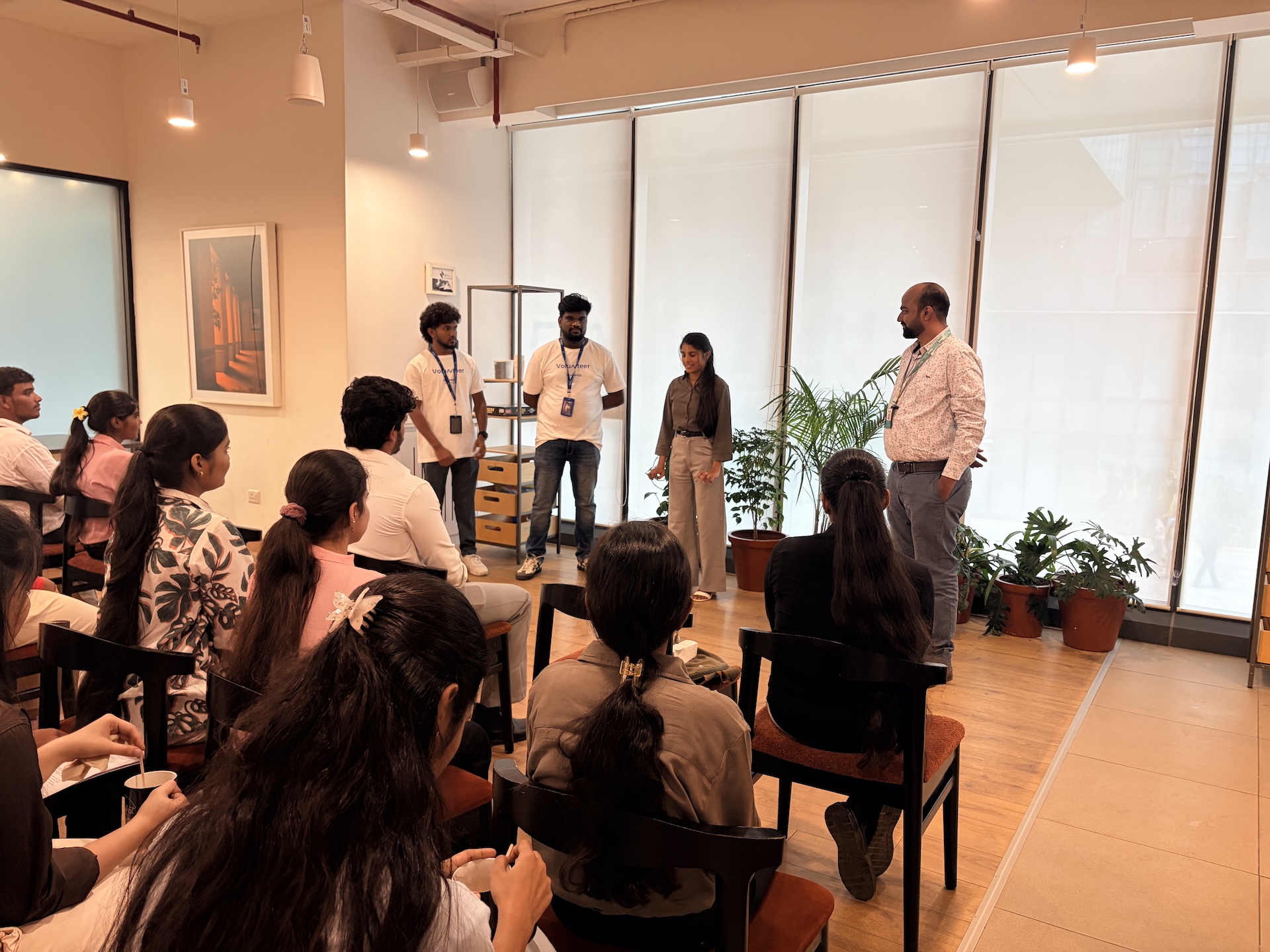
The initiative combined virtual sessions with an in-person corporate exposure day at Konecta’s Bangalore office.
This hybrid approach allowed participants to develop their skills progressively before experiencing a corporate environment firsthand. They could interact with professionals, ask questions about different roles and gain a clearer understanding of workplace expectations and career opportunities.
For young people with limited access to professional networks, this direct contact can help make employment pathways more visible and easier to navigate.
Professional volunteering based on employee expertise
The volunteers acted as career mentors, contributing professional experience from different areas of the business. Their support included sharing industry insights, reviewing résumés, conducting mock interviews and providing personalized feedback.
The initiative demonstrates how companies can contribute to youth employability by making professional knowledge and workplace networks more accessible. For employers and other stakeholders, this type of collaboration can complement formal training while helping young people bridge the gap between education and employment.
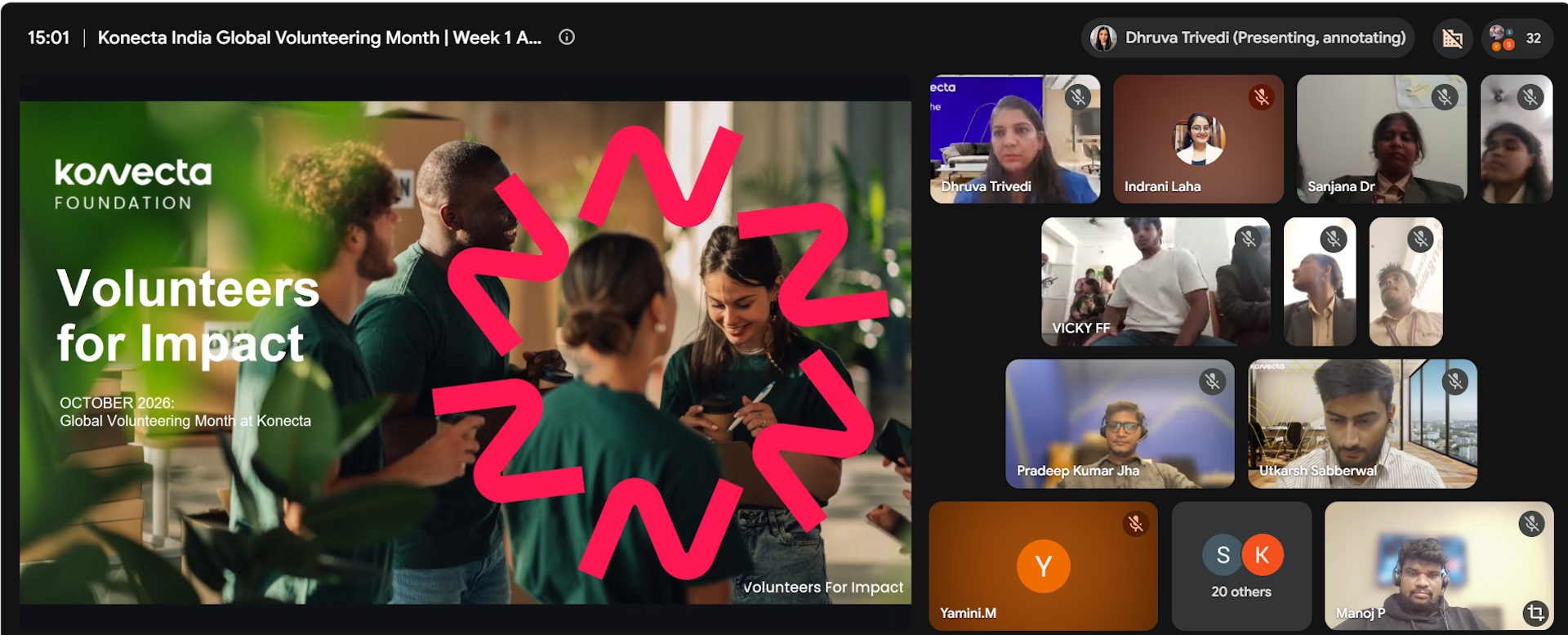
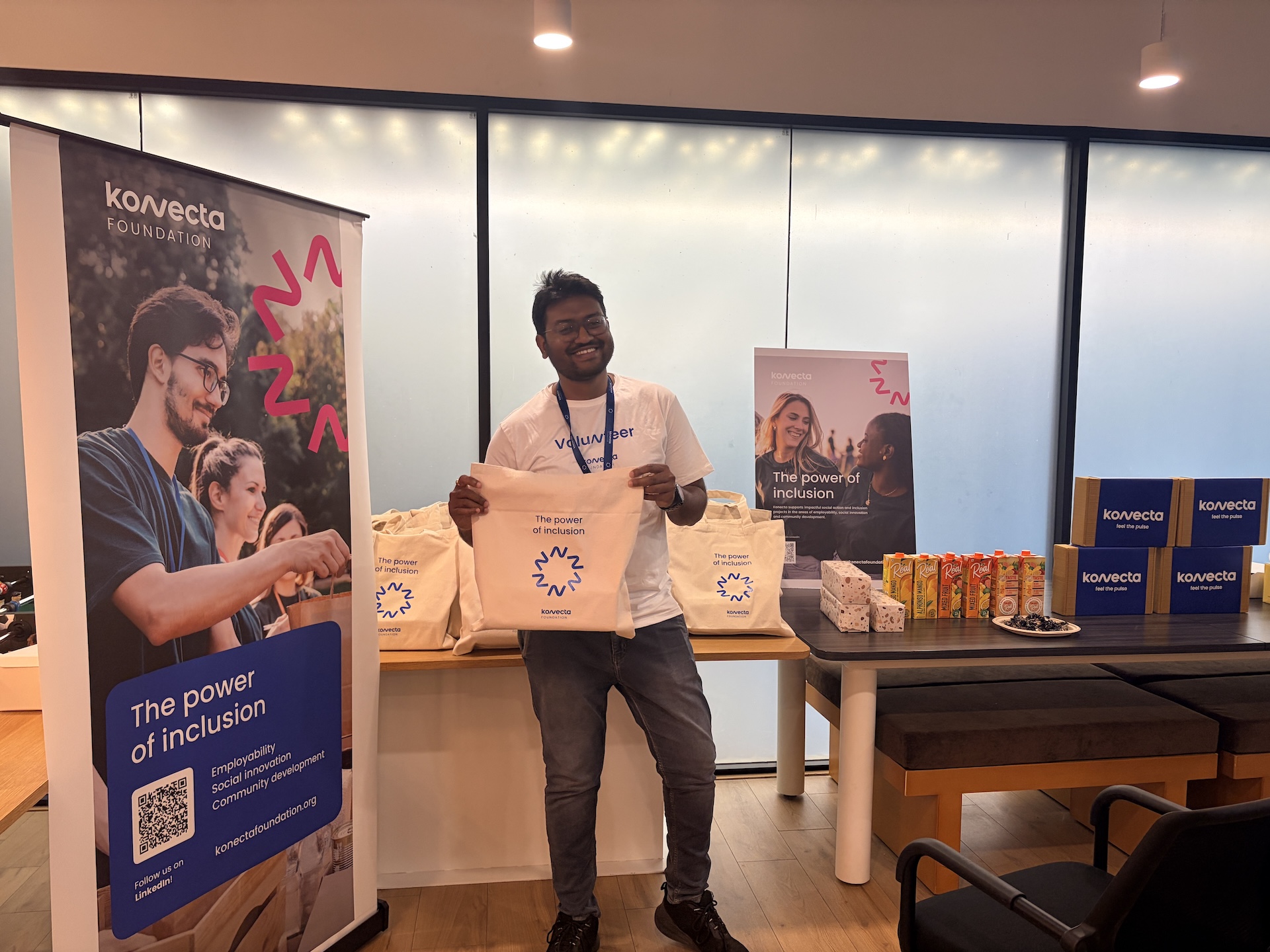
The activity was delivered through Volunteers For Impact, Konecta Foundation’s global volunteering program, in partnership with Anudip Foundation.
Frequently asked questions
Why is youth employability important in India?
Young people can face difficulties moving from education into suitable employment, even when they have formal qualifications. Career guidance, practical employability skills, professional networks and workplace exposure can help address some of these barriers.
How many people participated in the initiative?
The initiative supported 50 young people in Bangalore, with the participation of 44 Konecta volunteers.
What employability support was provided?
Participants received career guidance, résumé and LinkedIn support, mock interviews, individual mentoring and direct exposure to a corporate workplace.
Which organization partnered with Konecta Foundation?
The initiative was organized with Anudip Foundation, an organization that supports young people from underserved communities through skills development and employment-focused training.
What is Volunteers For Impact?
Volunteers For Impact is Konecta Foundation’s global volunteering program. It enables employees to contribute their time and professional skills to initiatives addressing needs identified within local communities.