

Building pathways to inclusive employment for people with Down syndrome in Mexico
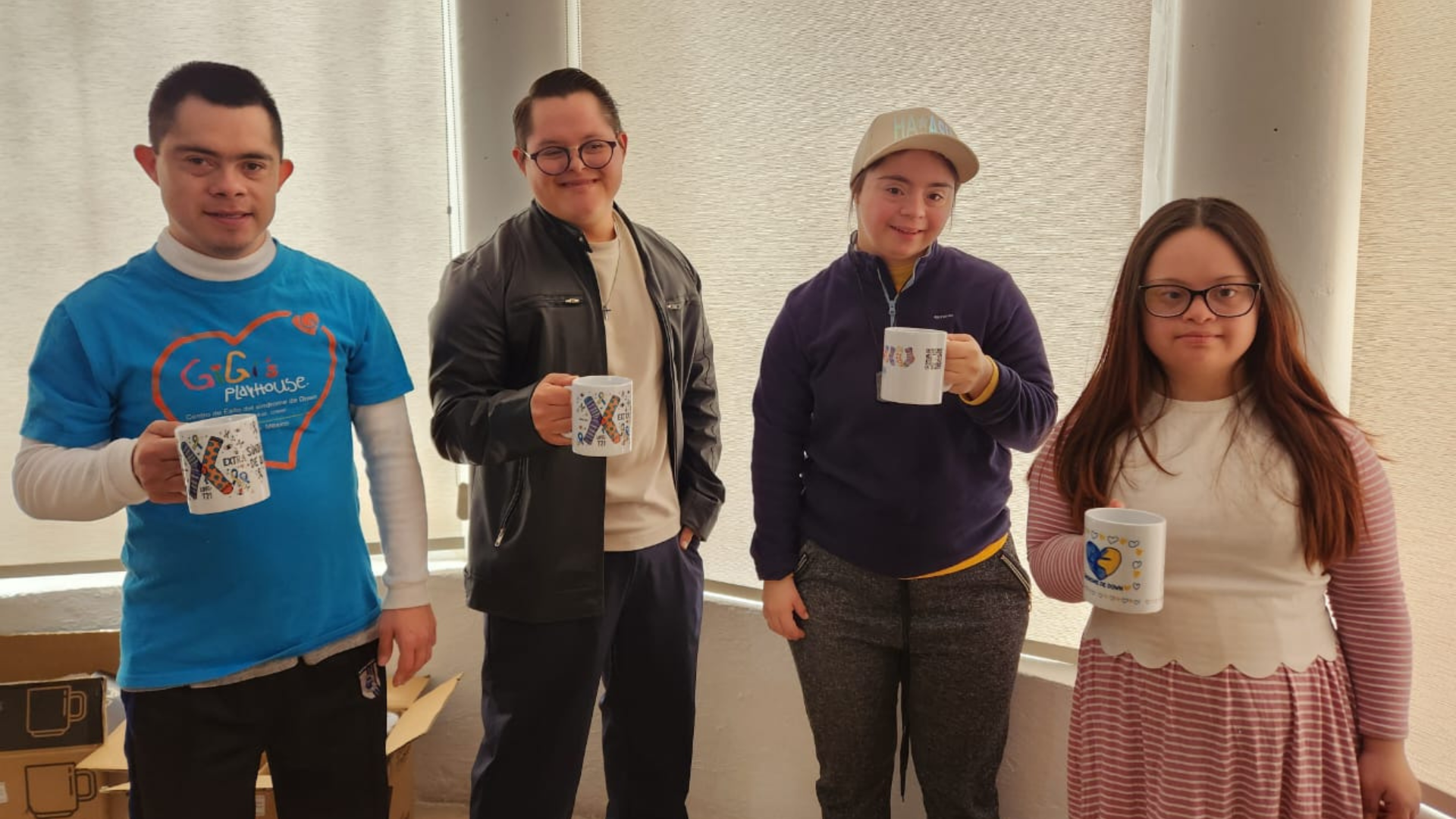
How GiGi’s Playhouse Mexico connects independent-living skills, job preparation and employer participation and what companies and social organisations can learn from the model.
For many young people and adults with Down syndrome, the route into work is constrained less by a lack of potential than by a shortage of structured preparation, accessible opportunities and employers equipped to support inclusion in practice.
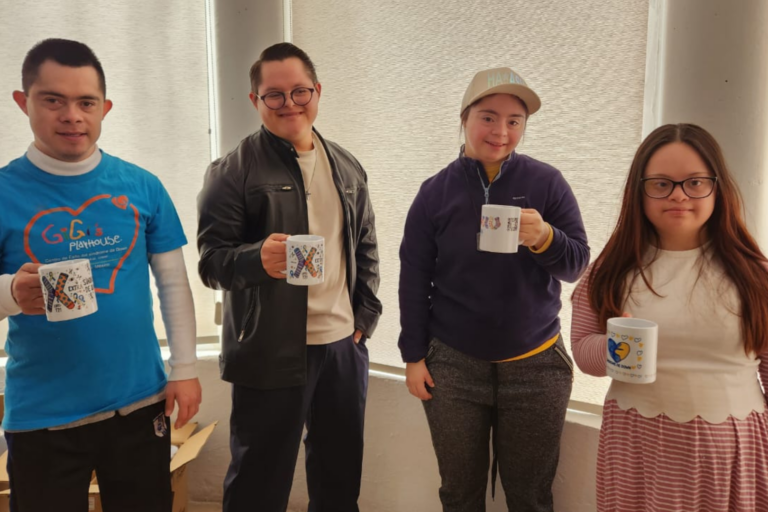
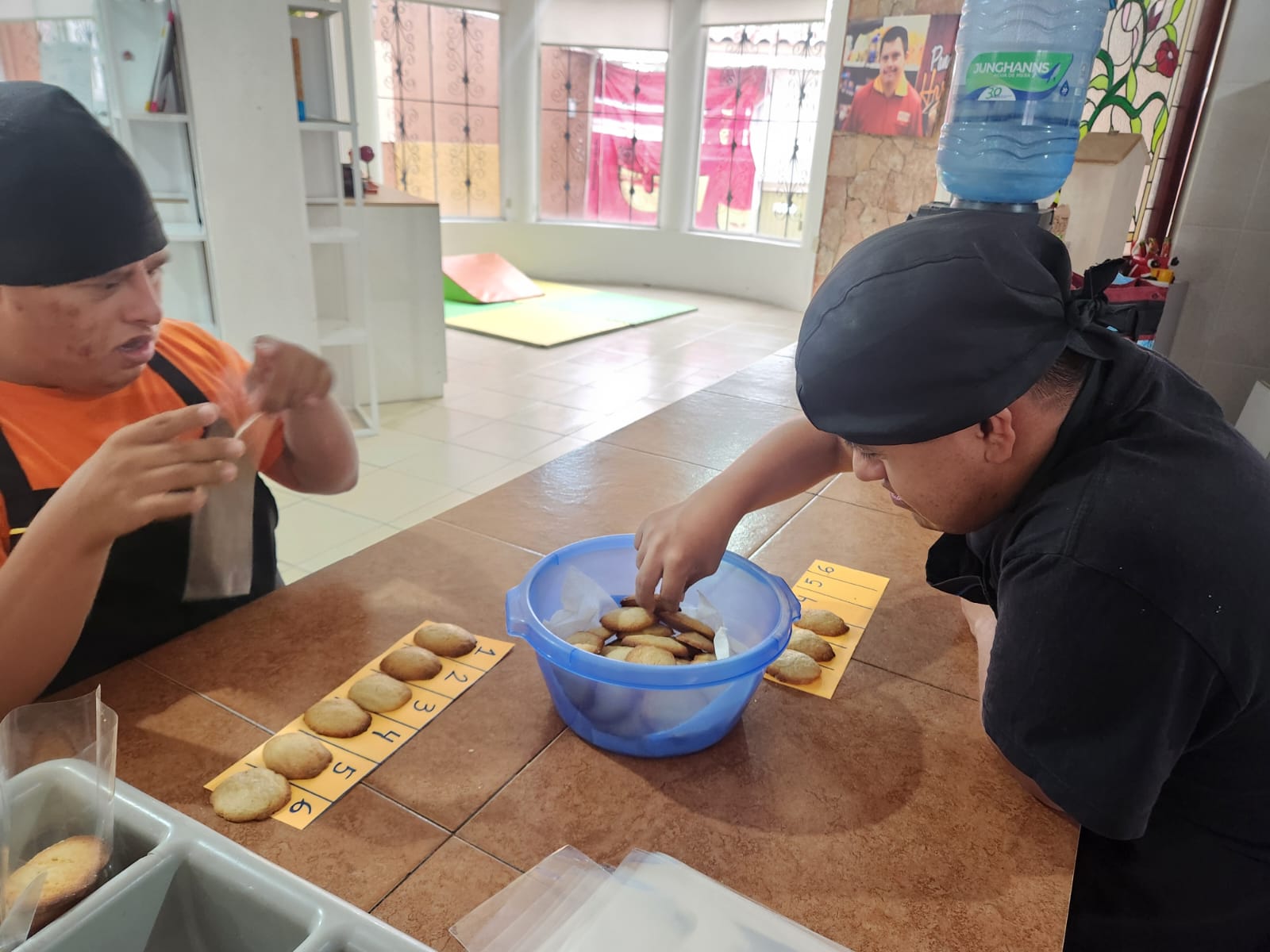
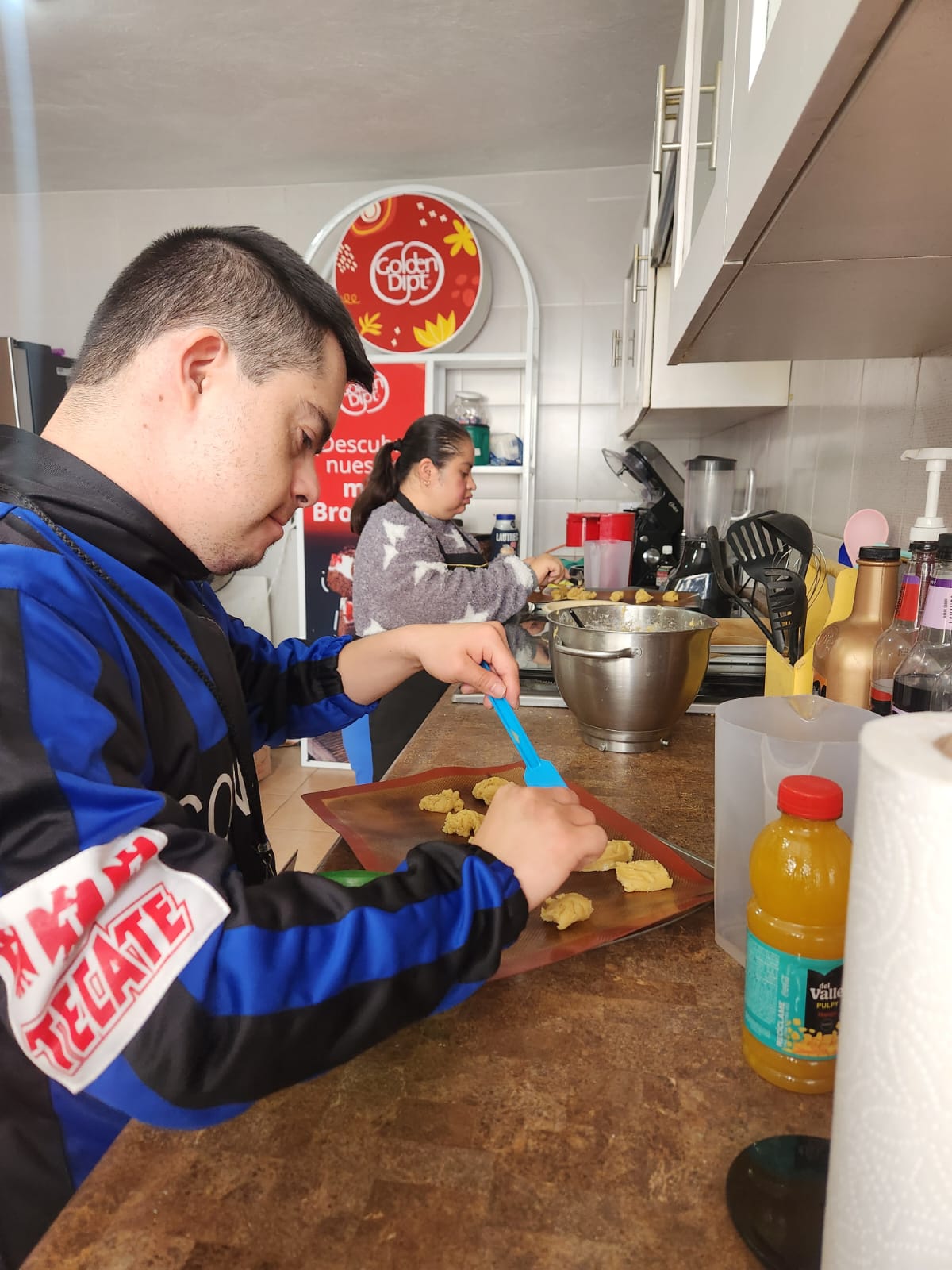
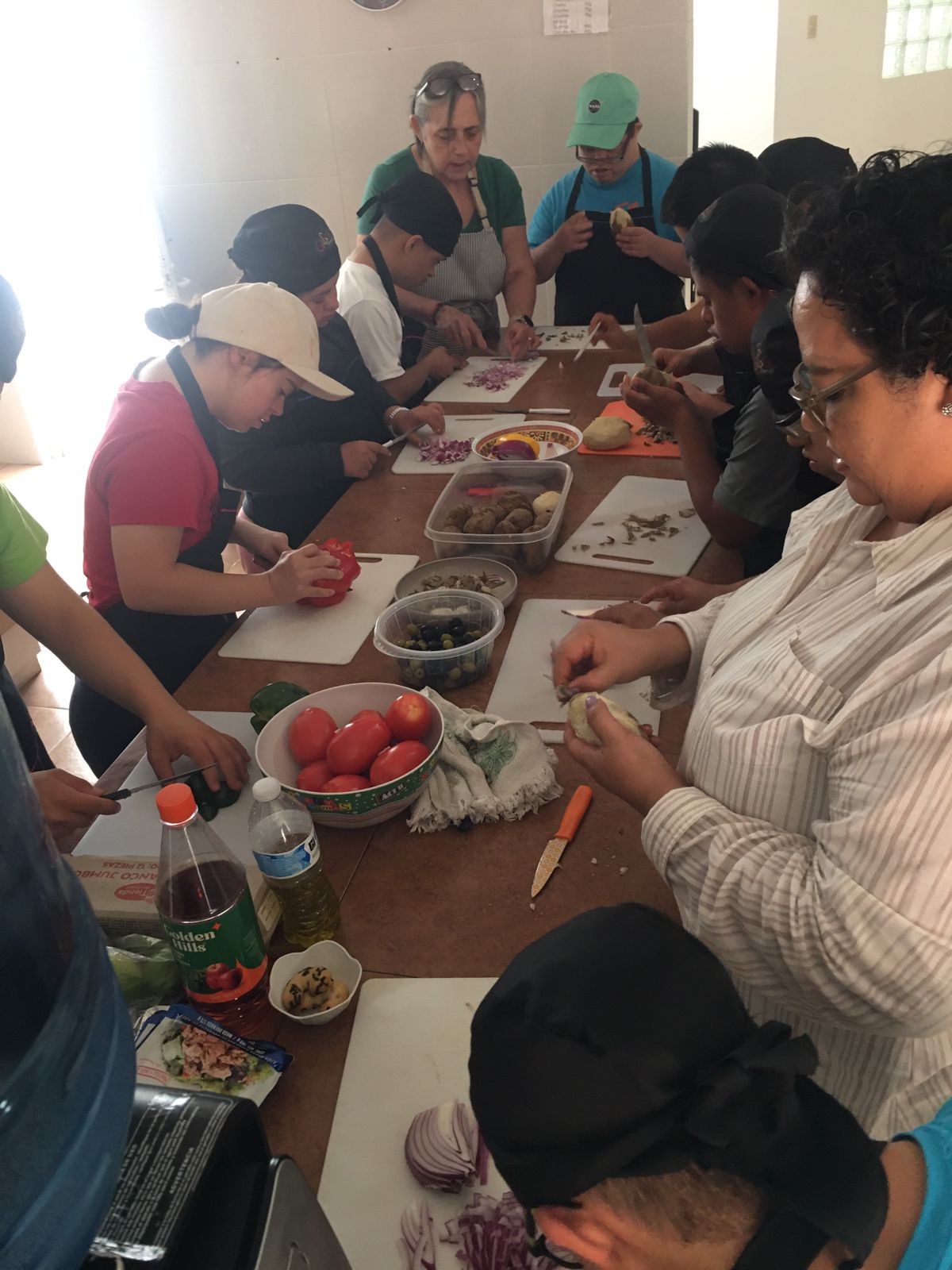
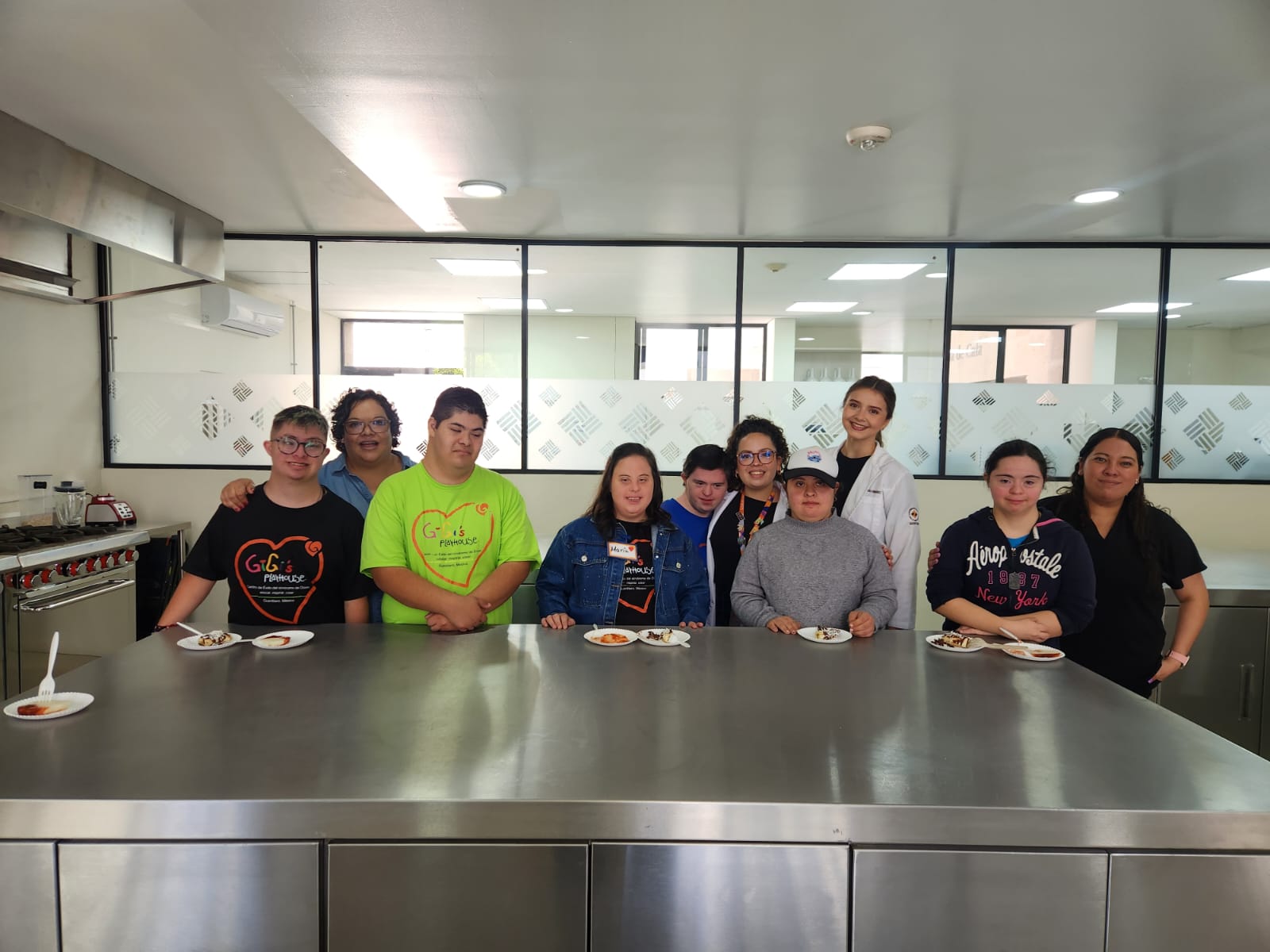
GiGi’s Playhouse Mexico addresses this gap through its Independent Living Programme, which develops autonomy, everyday life and employment skills. Selected through Konecta Foundation’s latest Community Impact Call, the project aims to strengthen pathways towards self-employment and formal work.
The model raises practical questions for companies and social organisations: what preparation makes a placement more likely to succeed, what support do employers need, and how can progress be measured beyond the number of people starting a job?
Project at a glance
| Organisation | GiGi’s Playhouse Mexico |
| Location | Mexico |
| Programme | Independent Living Programme |
| Participants | Young people and adults with Down syndrome |
| Focus | Autonomy, independent living, work readiness, self-employment and formal employment |
| Partnership opportunity | Workplace exposure, skills practice, employment pathways, volunteering and disability awareness |
| Supported through | Konecta Foundation’s Community Impact Call |
The employement gap after education and therapy
GiGi’s Playhouse Mexico works with people with Down syndrome and their families from early development through social and labour-market inclusion. The organisation also seeks to make support accessible to families that may not be able to cover the high cost of the therapies and services their children require.
As participants reach adulthood, the challenge changes. According to the organisation’s experience, opportunities for people with disabilities in Mexico remain limited. Without routes into further learning, community participation or work, some adults can spend much of their time at home and remain highly dependent on relatives.
Employment is not the only measure of inclusion, but it can provide income, routine, relationships and greater agency. For families, increased autonomy can also reduce uncertainty about long-term support.
The Independent Living Programme therefore does not treat a job vacancy as the starting point. It begins by helping participants develop the practical, social and workplace capabilities needed to take advantage of an opportunity when it arises.
Connecting autonomy and work readiness
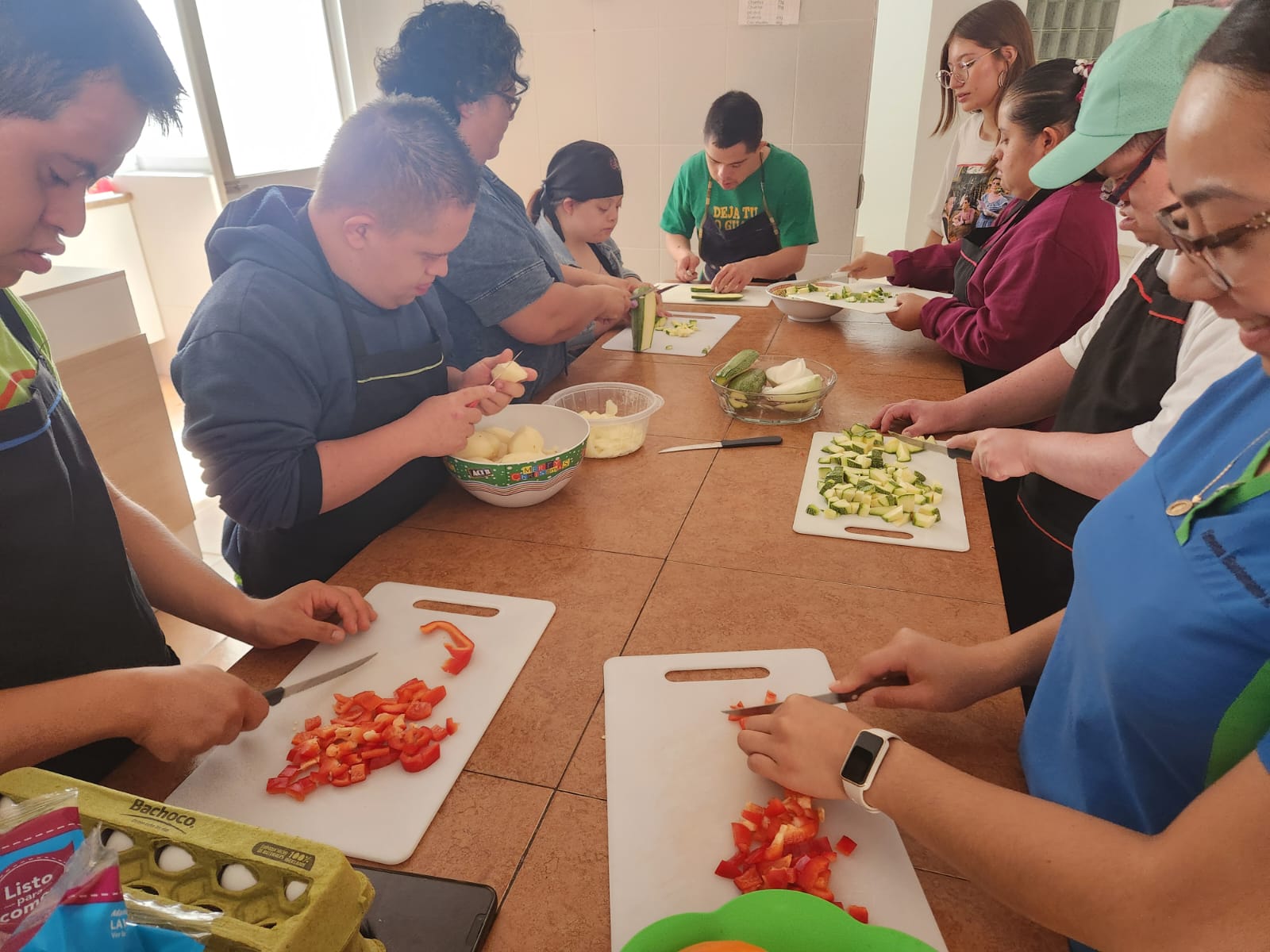
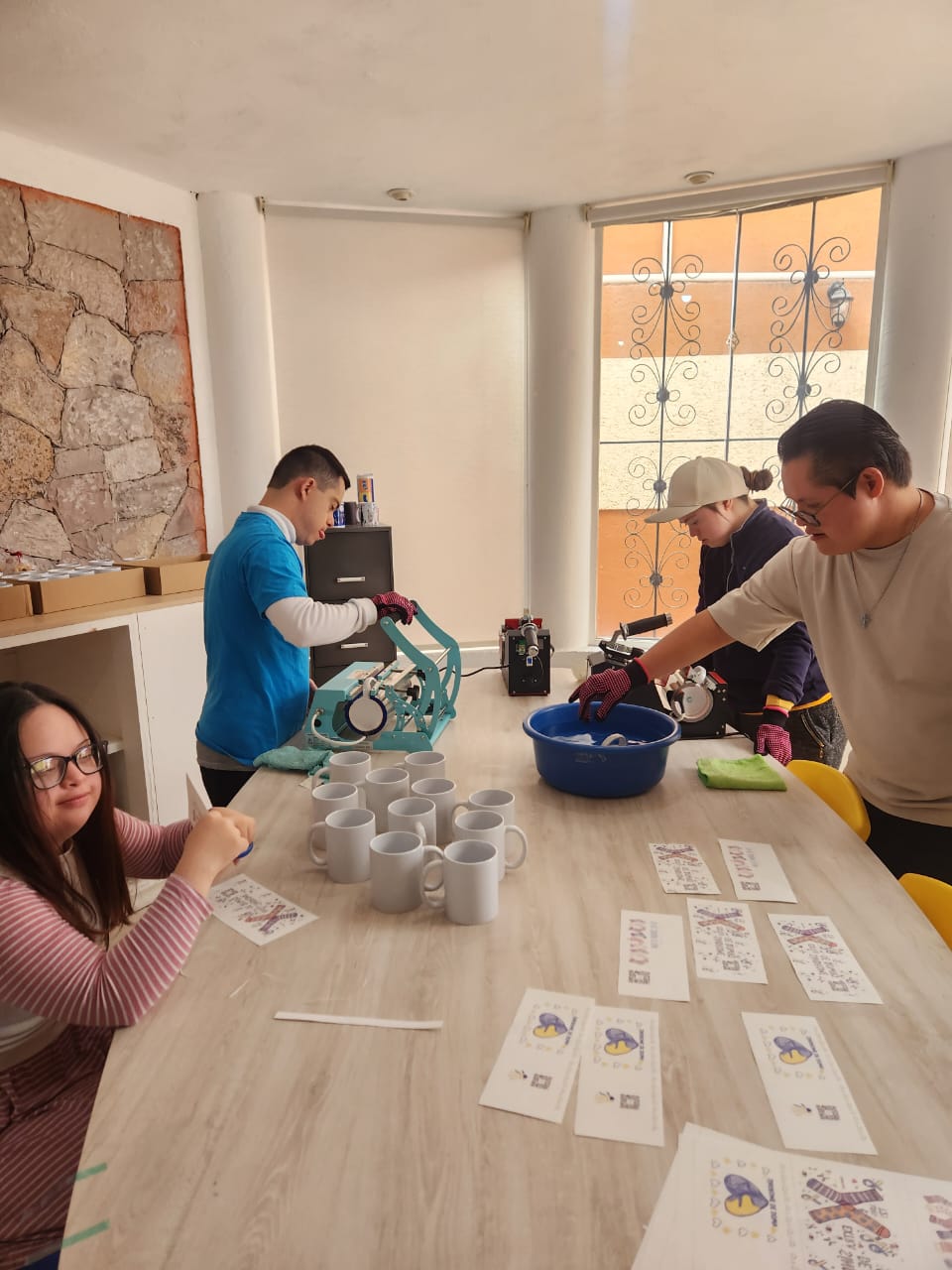
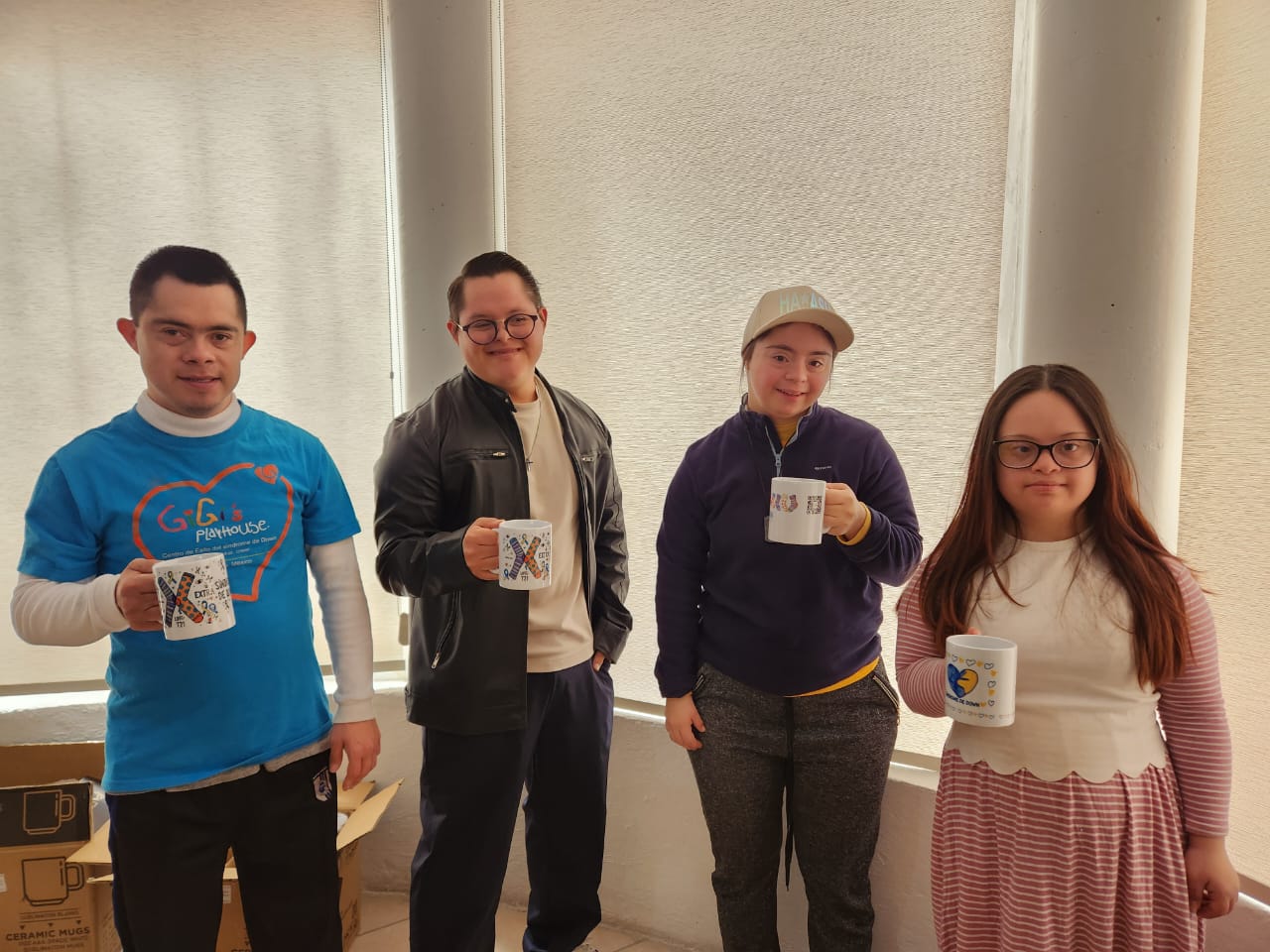
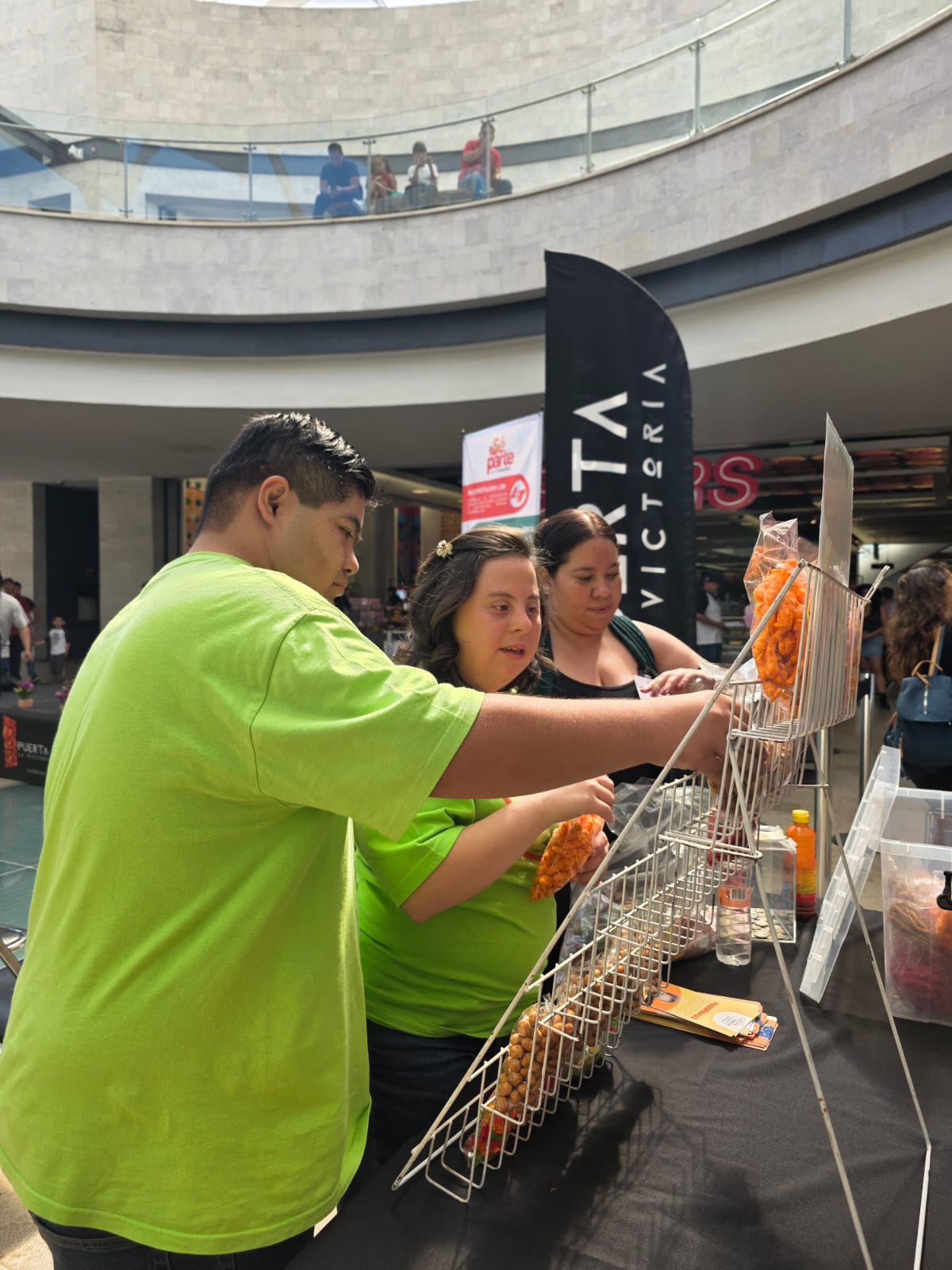
The programme develops skills for independent living, autonomy and employment. Depending on each participant’s objectives and circumstances, this pathway may lead towards self-employment or formal work.
Work readiness involves more than learning how to complete a specific task. It can include following routines, communicating with colleagues and customers, taking responsibility for assigned activities, asking for help and responding to feedback.
The programme also provides participants with a community in which to maintain social connections, physical activity and emotional wellbeing. These wider conditions can influence a person’s ability to participate consistently in working and community life.
For organisations designing employability programmes, this integrated approach is significant. A placement may be the most visible result, but it depends on several earlier steps: preparation, opportunity matching, employer engagement and appropriate workplace support.
The role of employers in making inclusion work
Companies can contribute to inclusive employment in ways that extend beyond financial support. They can provide workplace learning and employment opportunities, share information about role requirements and involve their employees in volunteering or disability-awareness activities.
Employer participation also introduces elements that are difficult to reproduce in a classroom: real tasks, workplace routines, relationships with colleagues and feedback from supervisors. For companies, working with a specialist social organisation can help identify suitable roles, prepare participants and provide support before and during a placement.
The employer, in turn, needs to consider whether its onboarding, supervision and feedback processes give both the employee and the team a realistic basis for success.
This makes inclusive employment a practice that can be planned, monitored and improved—not simply a statement of intent.
Gonazalo’s experience: applaying skills in a real workplace
Gonzalo, a participant in GiGi’s Playhouse Mexico’s Independent Living Programme, began a work experience at Boston Pizza Juriquilla on 16 June 2026. His responsibilities included supporting the maintenance of different areas and assisting with customer service.
According to the case report provided by the organisation, Gonzalo integrated well into the team and completed his assigned activities. The employer highlighted his contribution, responsibility and willingness to learn.
His experience illustrates inclusion in concrete terms: a defined role, real responsibilities, workplace expectations and feedback from an employer. It also shows why preparation and opportunity need to be connected. Skills developed through a programme become more valuable when participants have an appropriate setting in which to apply them.
One case cannot establish that every placement will produce the same result. It can, however, help identify the conditions that should be examined in future experiences, including the clarity of responsibilities, the quality of onboarding, supervisor engagement and the support required over time.
What the Community Impact Call can help strenghten
Support through the Community Impact Call will help GiGi’s Playhouse Mexico continue developing participants’ independence and employment skills. It will also create opportunities to raise awareness of Down syndrome among Konecta employees and partners through volunteering.
The project can also help the organisation examine how participants progress from preparation to workplace practice, self-employment or formal roles. This includes understanding which capabilities employers value most and where participants, families or supervisors may require additional support.
Relevant indicators could include completion of work-readiness activities, participation in workplace practice, transitions into employment or self-employment, retention over an agreed period, changes in autonomy and feedback from participants and employers.
Over time, this evidence could help GiGi’s Playhouse Mexico refine a more structured employment pathway covering participant assessment, skills preparation, employer matching, onboarding and workplace follow-up. Such a framework could potentially be used with different employers while adapting individual roles and support to each participant and workplace. This would allow the organisation to assess not only how many people take part, but also which elements of the model contribute to more sustainable outcomes.
Lessons from companies and social organizations
The project highlights several considerations for organisations developing disability-inclusive employment initiatives.
First, programmes should connect participants’ capabilities with clearly defined role requirements. Employers need to understand what a candidate has been preparing for, while social organisations need a realistic view of the tasks and expectations associated with each position.
Second, the workplace must be prepared alongside the candidate. Managers and colleagues may need guidance on communication, supervision and appropriate adjustments. Volunteering and awareness activities can support this process, but they should complement clear employment practices.
Third, feedback should be built into the partnership. Participants, families, supervisors and social-sector professionals each see different parts of the experience. Reviewing their perspectives can identify difficulties early and improve future placements.
Finally, success should be assessed beyond the number of people starting a job. Retention, learning, greater autonomy and the value created for the employer provide a more complete view of whether an employment pathway is working.
Frequently asked questions
What does GiGi’s Playhouse Mexico’s project address?
It addresses the limited pathways available to many young people and adults with Down syndrome as they move towards greater independence, self-employment or formal employment in Mexico.
How does the Independent Living Programme support employability?
The programme develops autonomy, everyday life and employment skills. Workplace opportunities allow participants to apply those capabilities in real roles and receive feedback from employers.
How can companies participate?
Companies can provide workplace learning, practice or employment opportunities; share knowledge about recruitment and role requirements; prepare supervisors and teams; support volunteering; and provide feedback to improve the employment pathway.
What can be measured in an inclusive employment partnership?
Relevant measures include progress in work-readiness skills, workplace participation, transitions into employment or self-employment, retention, changes in autonomy and feedback from participants and employers.
What does Gonzalo’s experience demonstrate?
His experience shows how programme preparation can connect with defined responsibilities and employer feedback in a real workplace. It also helps identify the conditions that should be considered when developing future placements.
This article is based on information provided by GiGi’s Playhouse Mexico and its case report about Gonzalo in 2026 as part of Konecta Foundation’s Community Impact Call.